
Latest





South Africa's Human Advantage in the BPO sector

As artificial intelligence reshapes the global business landscape, one question looms over the customer experience industry: will technology replace people, or enhance what people do best?
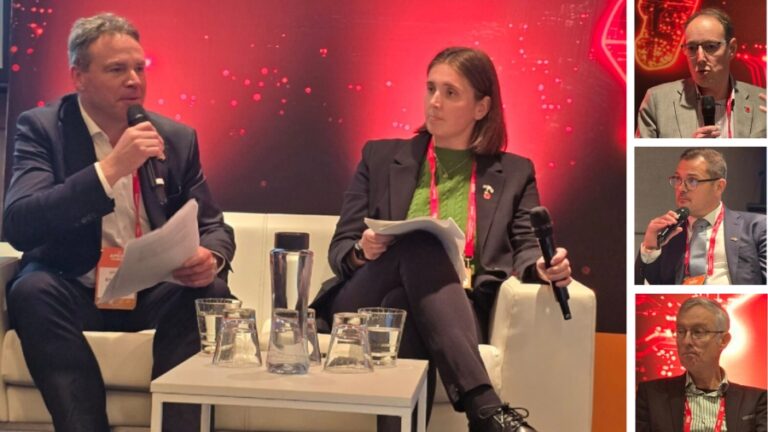
That question formed the centrepiece of a roundtable hosted in London on 18 November by Business Process Enabling South Africa (BPESA) and Invest Global, bringing together industry leaders, investors and outsourcing specialists to discuss the future of customer experience (CX) and business process outsourcing (BPO). The event, held at Hogan Lovells Cadwalader, featured contributions from Reshni Singh, CEO of BPESA; Kerry Hallard, CEO of the Global Sourcing Association; David Jarvis of Merchants; and leading BPO strategist Peter Ryan. Proceedings were chaired by Dr Pumela Salela, CEO of Invest Global.
While AI continues to dominate headlines, the discussion highlighted a reality in customer engagement, the human element that remains a critical competitive advantage. Far from signalling the end of contact centre employment, many participants argued that AI is becoming a tool that amplifies human capability rather than replacing it.
Few countries illustrate this better than South Africa.
The country’s emergence as a global powerhouse in customer experience and outsourcing services has been remarkable. In 2026, South Africa was named Delivery Destination of the Year by the Global Sourcing Association, further cementing its reputation as one of the world’s most attractive outsourcing destinations. Since 2019, the sector has tripled in size, generating revenues approaching US$3.9 billion and serving major international markets, particularly the United Kingdom and the United States.
The UK’s importance is especially striking. More than half of South Africa’s contact centre workforce now serves British customers, while over a third support clients in the United States. This success is underpinned by a combination of factors that competitors find difficult to match: a large native English-speaking workforce, world-class telecommunications infrastructure, a favourable time zone, strong service quality, and a deep and diverse talent pool.
Yet the discussion repeatedly returned to another differentiator that is less easily measured.
South Africa’s outsourcing sector has become a powerful example of “impact sourcing”, creating employment opportunities within local communities and opening career pathways for young people from historically underserved backgrounds. International clients are increasingly attracted not only by the quality of service delivered but also by the social impact generated through these employment programmes.
The numbers are already substantial. The sector has created more than 200,000 jobs, and current growth projections suggest that employment could rise to as many as 750,000 positions by 2030. For a country seeking sustainable economic growth and large-scale job creation, the BPO industry is becoming one of its most significant success stories.
As businesses worldwide grapple with the implications of AI, the message emerging from the London roundtable was clear: technology may transform customer experience, but people remain at its heart. South Africa’s success demonstrates that in an increasingly automated world, empathy, communication and human connection are not becoming less valuable. They are becoming the differentiators that matter most.