
Latest
South Africa Showcases Reform Momentum at JSE–Investec Macroeconomic Summit
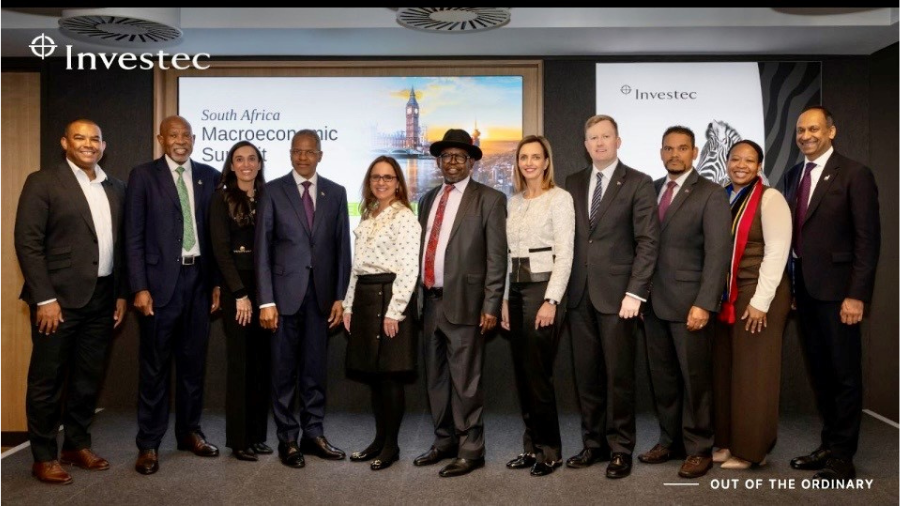
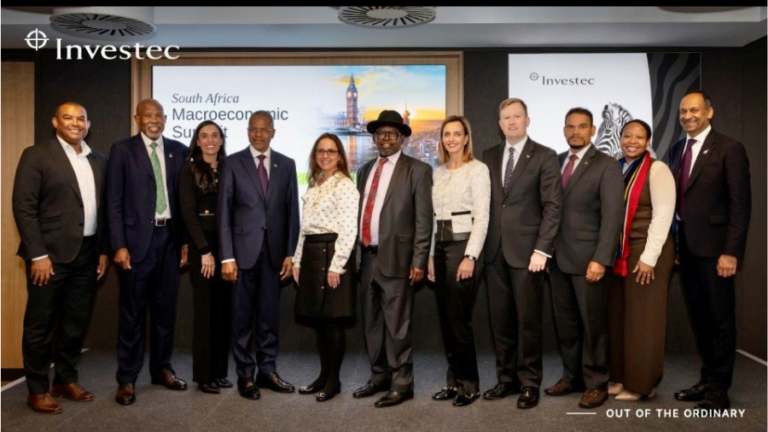
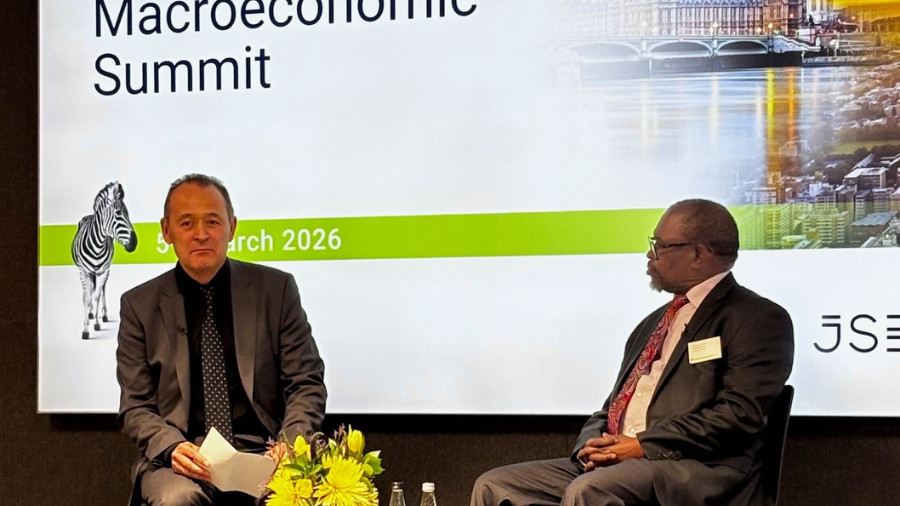
South Africa’s investment case took centre stage in London on 5 March, where global institutional investors, representing an estimated $20 trillion in assets under management, met with senior South African government and business leaders at the JSE–Investec Macro-Economic Summit. The event, hosted at Investec’s London offices, aimed to strengthen confidence in South Africa’s reform trajectory and deepen engagement with international capital providers.
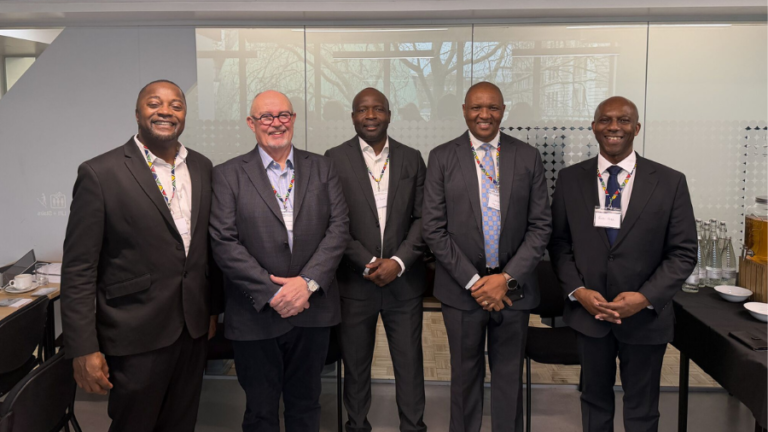
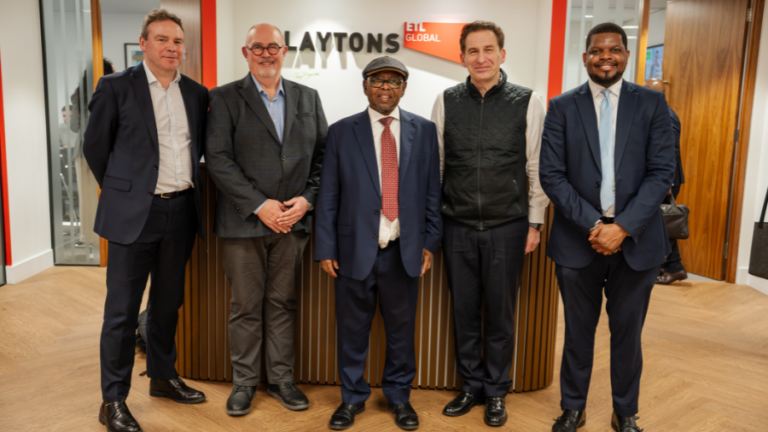
Dennis Zietsman, Chairman of the Chamber, attended the summit and participated in discussions that highlighted both the challenges and the significant opportunities within the South African economy.
A Strong Team SA Presence
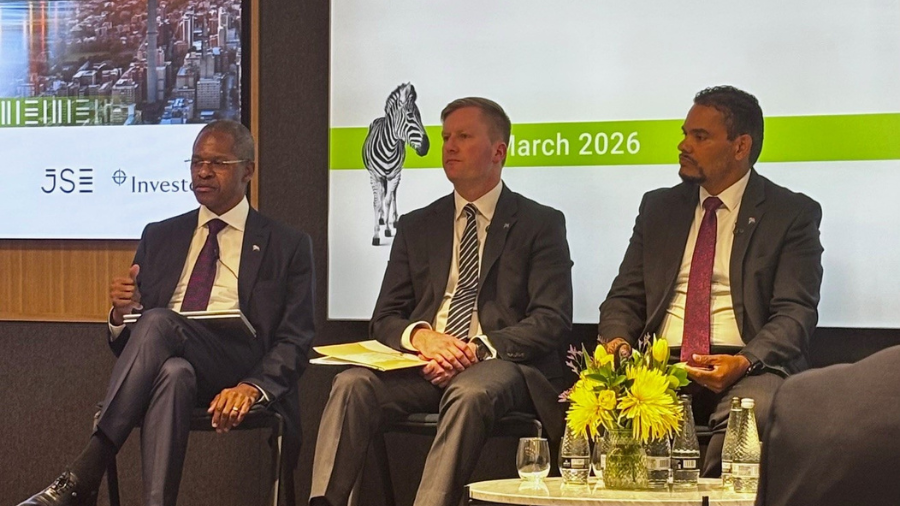
The summit opened with a general presentation session featuring key members of Team SA, who shared updates on economic reforms, infrastructure renewal, and governance improvements. As the document notes, “Institutional investors… met with the leaders from South Africa to unpack the country’s investment case.”
The delegation included:
• Enoch Godongwana Minister of Finance
• Lesetja Kganyago Governor of the South African Reserve Bank
• Velenkosini Hlabisa Minister of Cooperative Governance & Traditional Affairs
• Dean Macpherson Minister of Public Works & Infrastructure
• Alvin Botes Deputy Minister for International Affairs & Cooperation
• Rudi Dicks Co-leader of Operation Vulindela
• Mzila Mthenjane CEO, Minerals Council SA
• Dan Marokane CEO, Eskom
• Michelle Phillips CEO, Transnet
• Boitumelo Masako CEO, Development Bank of South Africa
The session was chaired by Deputy High Commissioner to London, Dineo Mathlako, with Investec UK CEO Ruth Lees, outgoing JSE CEO Leila Fourie, and incoming JSE CEO Valdene Reddy serving as joint hosts.
Geopolitical Tensions and Economic Resilience
A significant portion of the discussion focused on global geopolitical uncertainty—particularly developments in Iran—and the potential implications for South Africa’s fuel prices, exchange rate, and inflation outlook.
Despite these concerns, both the Minister of Finance and the SARB Governor struck a reassuring tone. They believed there would not be catastrophic implications for the SA economy due to the country being on a relatively sound footing. Their message underscored South Africa’s resilience and the global trend of investors seeking safety in gold rather than the US dollar.
Infrastructure, Governance, and Growth
Domestic economic reform was another central theme. Discussions highlighted:
• Funding growth responsibly without increasing systemic risk
• The growing maturity of the Government of National Unity
• Improving infrastructure spend
• Strengthening local government capacity and accountability
The CEOs of Eskom and Transnet outlined their plans to stabilise and rebuild South Africa’s critical infrastructure networks—an essential foundation for economic growth and investor confidence.
Meanwhile, the Development Bank of South Africa emphasised its four priority areas, to enable long-term development:
Electricity,
Transport,
Water, and
Border Post public–private partnerships.
A Clear Message to Global Investors
The summit delivered a unified message: South Africa is committed to structural reform, institutional strengthening, and rebuilding the foundations of sustainable growth. By engaging directly with global investors, Team SA reinforced transparency, accountability, and a willingness to partner with international capital to unlock the country’s economic potential.
For the South African Chamber of Commerce, the event serves as a reminder of the importance of continued collaboration between business, government, and global stakeholders. The conversations in London reflect a growing recognition that South Africa’s reform journey—while challenging—is gaining momentum.