
Latest
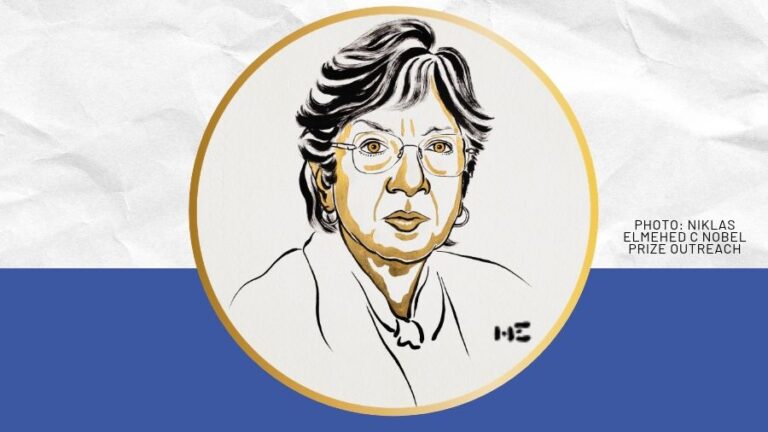
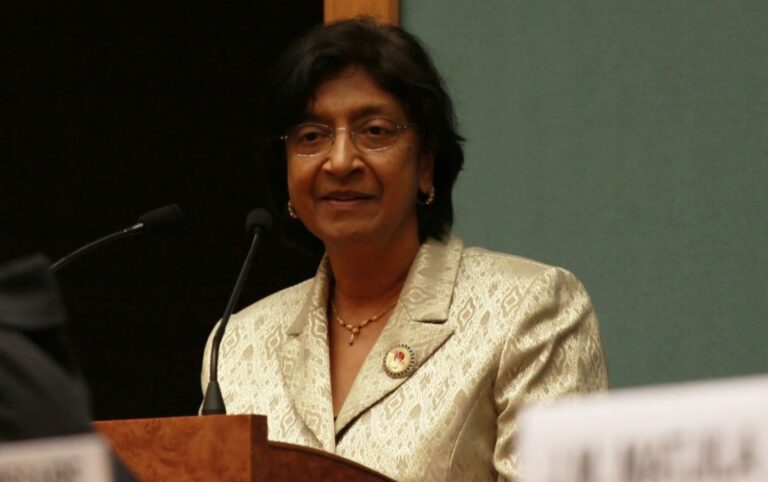


Navi Pillay’s Nobel is a reminder of what South Africa brings to the world
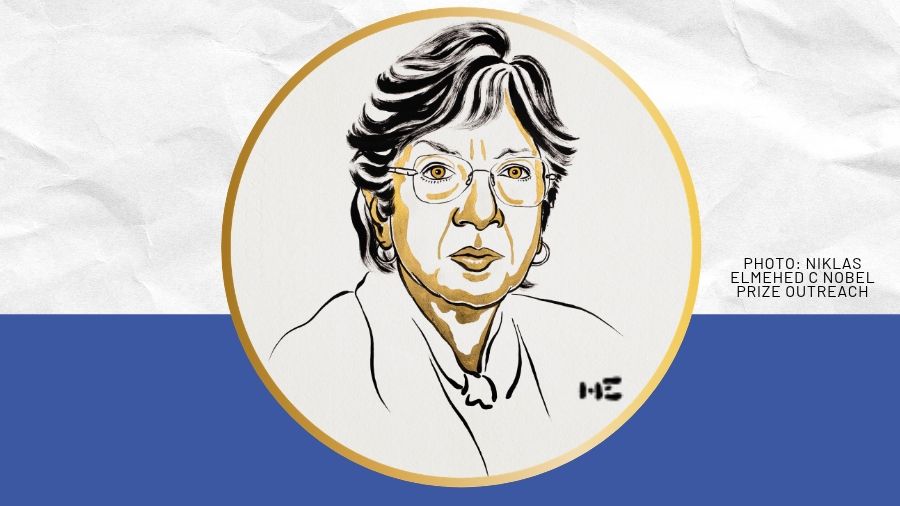
When a South African wins a major international award, we risk congratulating them, sharing the news, feeling a brief surge of national pride and moving on.
Navi Pillay’s Nobel Peace Prize deserves more than that; it offers an opportunity to reflect on the reach and value of South African talent around the world.
At 85, the Durban-born jurist has become South Africa’s fifth Nobel Peace Prize laureate and its first woman to receive the award. Her career has taken her from defending anti-apartheid activists in apartheid South Africa to becoming South Africa’s first black woman appointed to the High Court, a judge and president of the International Criminal Tribunal for Rwanda, a judge at the International Criminal Court, and the United Nations High Commissioner for Human Rights.
The Norwegian Nobel Committee recognised her “efforts to promote peace and international law” at a time when the international legal order itself is under increasing pressure. That is a remarkable achievement.
Beyond Navi Pillay
But we should look beyond the Nobel. Pillay is not an isolated example of South African excellence on the international stage; she is part of a bigger story we don’t tell often enough.
Look at the women South Africa has produced who have gone on to influence the world.
Dr Phumzile Mlambo-Ngcuka went from South Africa’s first woman deputy president to the United Nations under-secretary-general and executive director of UN Women, leading a global organisation dedicated to advancing gender equality. In 2026, the University of Warwick, where she completed her doctorate, awarded her an honorary doctorate in recognition of her global leadership.
Prof Thuli Madonsela became one of the defining voices of South Africa’s constitutional democracy through her work as public protector and has continued to influence international conversations around constitutionalism and ethical leadership.
Prof Glenda Gray has built an international reputation in medical research, particularly in HIV and vaccine science, and became the first woman to lead the South African Medical Research Council.
Dr Precious Moloi-Motsepe has taken South African entrepreneurship, philanthropy and fashion onto an international platform, while using her influence to support education and women’s empowerment.
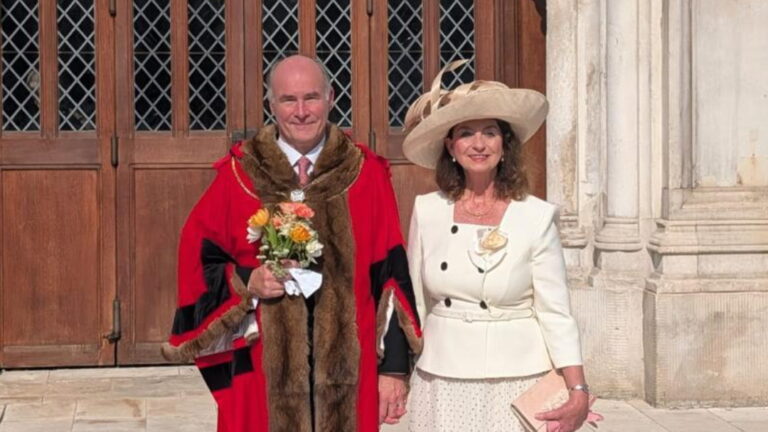
If you keep an eye on the news, you will often read about other South African women who’ve also made the headlines. This month, Johannesburg-born Ruth Leas, who is based in London and is CEO of Investec Bank, was named to Financial News’ Top 100 Women in European Finance, and South African environmental-justice activist Promise Mabilo received Stanford University’s 2026 Bright Award for Environmental Sustainability.
These recognitions remind us that South African women continue to contribute to law, politics, diplomacy, science, medicine, business, academia, human rights, culture and international development.
Together, they reflect the calibre of talent South Africa produces and underscore why the UK and South Africa have a relationship that goes beyond trade figures. Deep connections link our universities, professional communities, businesses, investors, institutions and people.
A wealth of talent
Whether in the City of London, NHS hospitals or UK university lecture halls, South Africans are not just working abroad – they are contributing expertise and leadership in some of Britain’s most important institutions and industries. British businesses operate and invest in South Africa. Ideas, expertise and capital move in both directions.
That matters because we sometimes talk about the South Africa–UK relationship as though South Africa’s principal contribution is what it can sell. Yet its people are among its greatest assets.
Many South Africans who have achieved international influence have done so after growing up or building their careers in a country that has navigated extraordinary complexity. Pillay’s story is a powerful example.
Raised under apartheid, she experienced discrimination herself and chose law as a means of challenging injustice. Her career helped shape international criminal law and the institutions through which the world attempts to hold perpetrators of the most serious crimes accountable. The UN has described her as a champion of international law and human rights whose career demonstrates that “the force of law must prevail over the law of force”.
That should resonate with business as much as it does with human-rights advocates because the rule of law is not an abstract concept that belongs only in courtrooms or diplomatic conferences. Businesses, investors and international trade need it.
A company deciding whether to invest in another country needs confidence that contracts will be honoured, intellectual property protected, disputes resolved fairly and institutions able to operate independently.
Pillay’s achievement is a source of enormous national pride. But perhaps its greatest value is that it reminds us South Africa does not only produce commodities; it produces people.