
Latest


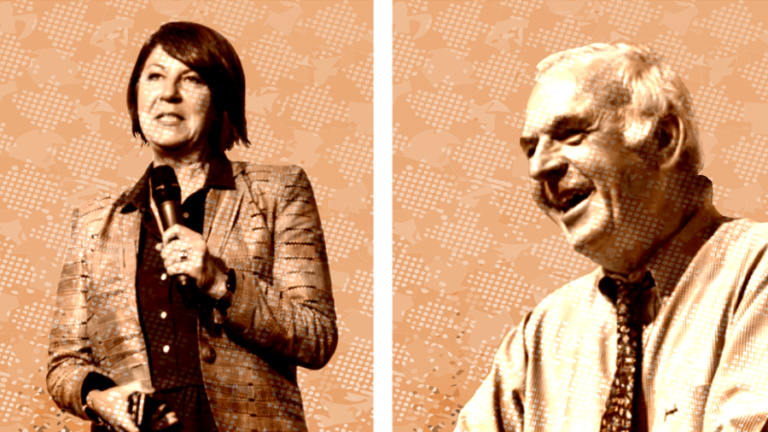

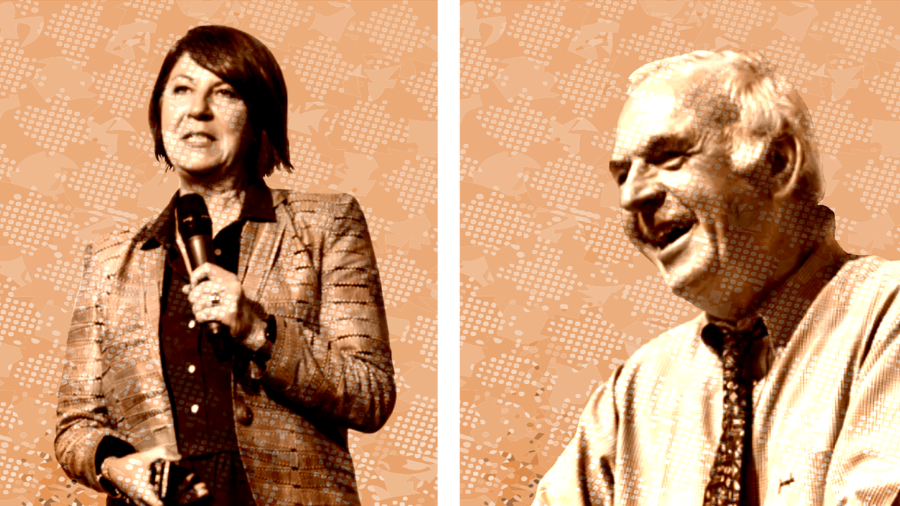
Tribute to Clem Sunter
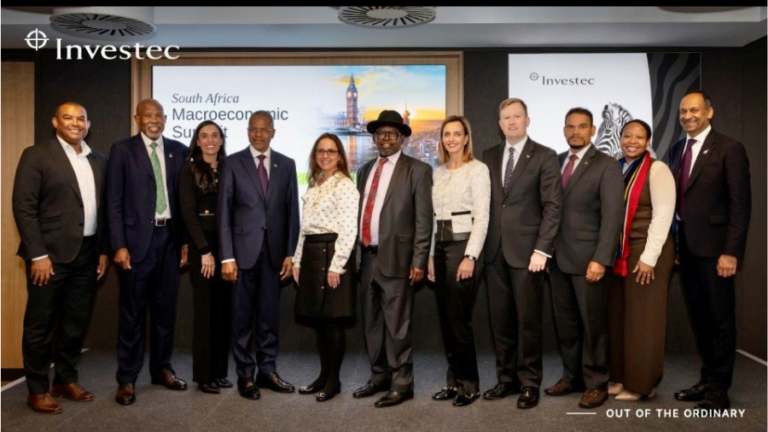
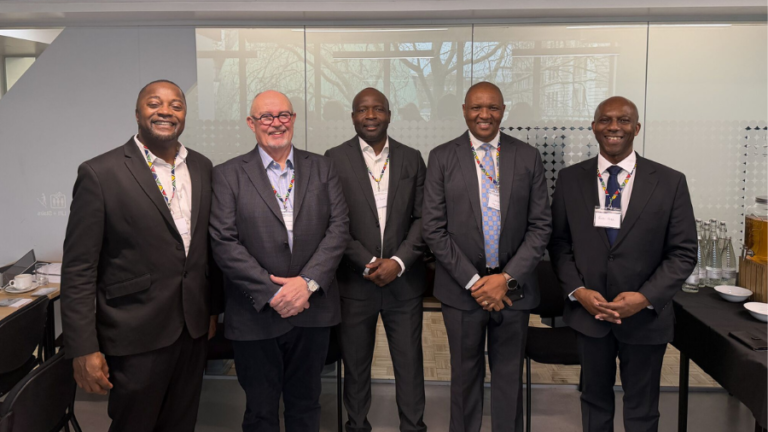
On behalf of the South African Chamber of Commerce UK (SACCUK)
It is with both sadness and deep respect that we pay tribute to Clem Sunter, a thinker, a connector, and a man whose ideas shaped not only South Africa’s trajectory, but the way many of us understand uncertainty, leadership, and the future.
For an organisation like the South African Chamber of Commerce UK, Clem’s life and work resonate on multiple levels. He embodied, in the fullest sense, the enduring connection between South Africa and the United Kingdom. Here was someone who demonstrated that identity need not be confined by geography. Clem showed that one can originate in one country, find a second home in another, and not merely reside there, but contribute meaningfully to both.
He moved fluidly between worlds, benefiting from and strengthening the business and social networks that link the UK and South Africa. In doing so, he reinforced a bridge that remains vital today, one built on ideas, enterprise, and shared futures.
Clem’s intellectual legacy is perhaps most clearly captured in the High Road / Low Road scenarios of the 1980s, an exercise that stands as one of the most influential contributions to strategic thinking in South Africa’s modern history. At a time of profound uncertainty, Clem and his collaborators reframed the country’s future not as a fixed destiny, but as a set of choices. They illuminated a path toward negotiated reform and stability, while making clear the risks of regression and division.
This was not abstract theory. It was strategic communication in its most powerful form, shaping how leaders, businesses, and citizens understood their options and their responsibilities. It is no exaggeration to say that this way of thinking helped shift the national conversation at a pivotal moment.
What made Clem truly exceptional, however, was not only his intellect but his generosity with it.
He was always willing, indeed eager, to contribute to communities like SACCUK. Whether through discussions, events, or informal exchanges, he brought clarity without arrogance and insight without obscurity. He had a rare ability to make complex futures feel both navigable and actionable.
His collaboration with Chantell Ilbury, through their books and the Mindofafox firm, is a testament to this spirit. Together, they extended Clem’s legacy into new domains, equipping leaders with the tools to think in scenarios, to embrace uncertainty, and to make better decisions in a complex world. We are especially proud that Chantell continues this work while serving on the Board of SACCUK, ensuring that Clem’s intellectual DNA remains part of our community.
Perhaps the most striking thing about Clem Sunter is how contemporary his thinking still feels.
If anything, we need his way of thinking more than ever.
One can easily imagine Clem today, writing another of his sharp and accessible articles or delivering one of his engaging video talks on the unfolding situation in Iran. He would not offer predictions dressed as certainties. Instead, he would map scenarios: escalation and containment, disruption and adaptation. He would trace the implications for oil and gas prices, for global markets, and for political leadership. Most importantly, he would leave us with something even more valuable: signals to watch, flags to notice, and the confidence to think clearly amid uncertainty.
That is the enduring gift he leaves us. Not answers, but a method. Not conclusions, but a way of seeing.
As we reflect on Clem’s life, we do so with gratitude for his ideas, his generosity, and his example. As we look ahead, we honour him best by continuing to ask the kinds of questions he taught us to ask:
What are the roads ahead?
What choices will define them?
How do we prepare not for one future, but for many?
Clem Sunter helped us see that the future is not something that happens to us. It is something we help shape.
For that, and for so much more, we thank him.